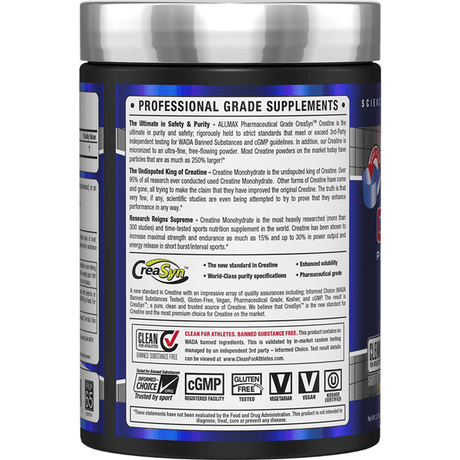
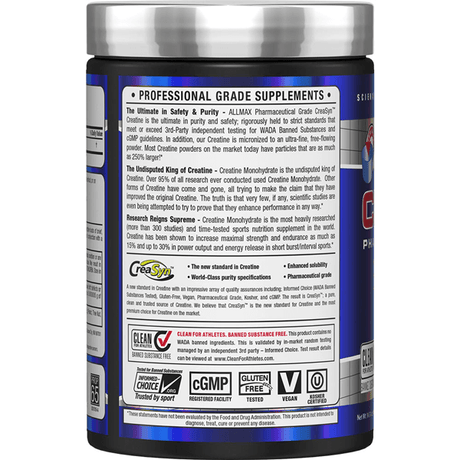
Creatine is one of the most researched and widely used supplements in sports nutrition. It is well known for improving strength, power, and performance during short, high-intensity activities.
However, when shopping for creatine, you’ll quickly notice several options: creatine monohydrate, micronized creatine, creatine HCL, Kre-Alkalyn, and now even creatine gummies.
All of them claim better absorption, fewer side effects, or improved results.
So what’s the real difference between these types of creatine?
And which one should you actually choose?
This guide explains the real differences, without hype, so you can make an informed decision.
👉 Looking for the most effective creatine for your goal? Scroll down to see our top options.
What Is Creatine?
Creatine is a naturally occurring compound found mostly in muscle tissue. It helps regenerate ATP, the main energy source used during short, explosive efforts such as:
- weight training
- sprinting
- power and strength sports
When taken as a supplement, creatine helps:
- increase strength
- improve power output
- support muscle growth
- enhance high-intensity performance
1. Creatine Monohydrate
The gold standard
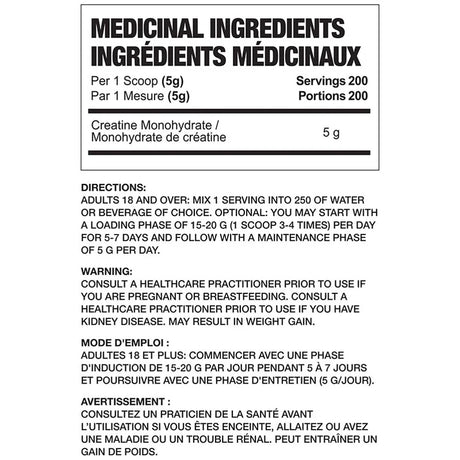
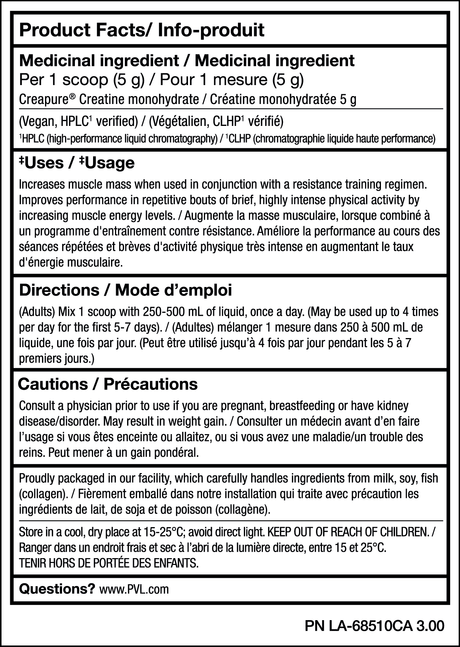
Creatine monohydrate is the most studied and most proven form of creatine on the market.
Benefits
- backed by hundreds of scientific studies
- proven to increase strength and power
- stable and reliable
- excellent value
Possible drawbacks
- may cause bloating for some people
- average solubility in water
Bottom line
For most people, creatine monohydrate is the best and most effective option available.
2. Micronized Creatine Monohydrate
Same effectiveness, better mixability
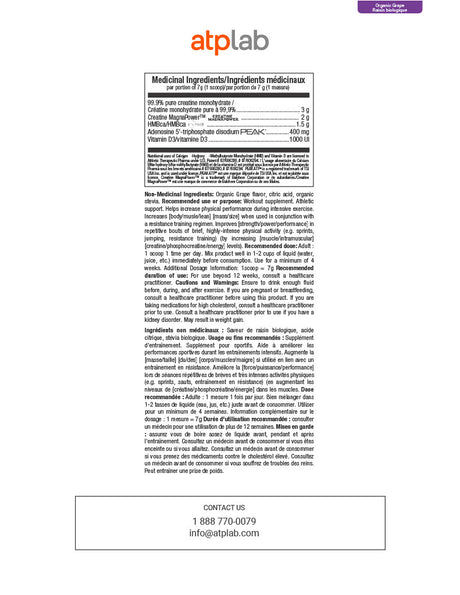
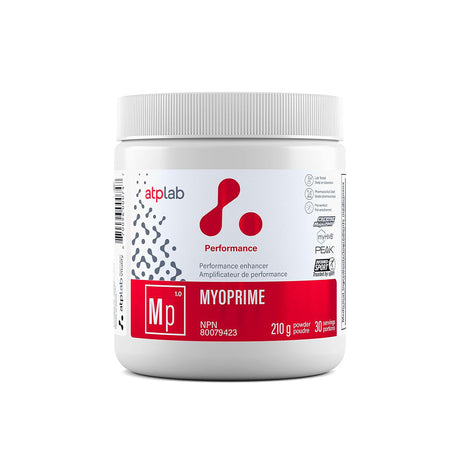
Micronized creatine is simply creatine monohydrate with smaller particles to improve solubility.
Benefits
- same performance benefits as standard monohydrate
- mixes better in liquids
- often easier to digest
Drawbacks
- slightly higher cost
- no added performance benefit
Bottom line
A great choice if you want the benefits of monohydrate with better comfort.

3. Creatine HCL (Hydrochloride)
A solution for sensitive digestion
Creatine HCL is bound to hydrochloric acid, which improves solubility.
Benefits
- dissolves very easily
- often causes less bloating
- smaller serving sizes
Drawbacks
- more expensive
- fewer long-term studies
- not proven to be more effective
Bottom line
Useful for people who struggle with monohydrate, but not superior in results.
4. Kre-Alkalyn (Buffered Creatine)
More marketing than science
Kre-Alkalyn is marketed as a buffered form of creatine that supposedly prevents breakdown.
What research shows
- creatine monohydrate is already stable
- no strong evidence of better absorption or performance
- often priced higher without added benefit
Bottom line
Not necessary for most users.
5. Creatine Gummies
Convenience first
Creatine gummies are a newer format designed for convenience and taste. They provide creatine in a chewable form rather than powder.
Benefits
- easy to take, no mixing required
- convenient for people who dislike powders
- good option for beginners
Limitations
- usually lower creatine dose per serving
- may contain added sugars or sweeteners
- often more expensive per gram
Bottom line
Creatine gummies can be a convenient option, but they are best for casual users or beginners, not for high-dose supplementation.
Which Creatine Should You Choose?
- Most people → Creatine monohydrate
- Sensitive digestion → Micronized or HCL
- Best value → Creatine monohydrate
- Convenience-focused → Creatine gummies
How to Take Creatine Properly
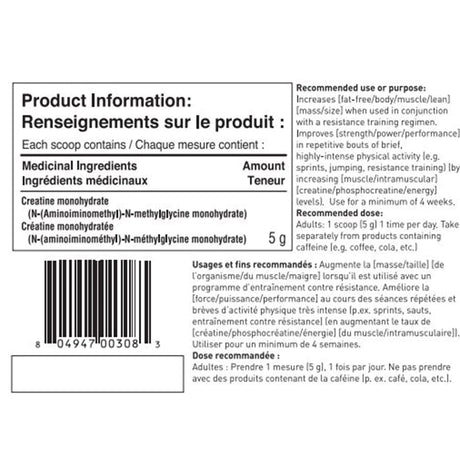
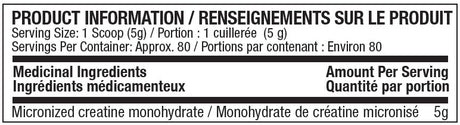
- Recommended dose: 3–5 g per day
- Loading phase: optional
- Timing: anytime (consistency matters most)
- Rest days: yes, continue supplementation
- Hydration: drink enough water daily
Is Creatine Safe?
Yes.
Creatine is one of the safest and most researched supplements available. Studies consistently show that it is safe for healthy individuals when taken at recommended doses.
As always:
- follow dosing instructions
- stay well hydrated
- consult a healthcare professional if you have medical conditions
FAQ – Common Questions About Creatine
What is the best creatine on the market?
Creatine monohydrate remains the best overall option due to its proven effectiveness and affordability.
Do creatine gummies work?
Yes, but they usually provide lower doses. They are best for convenience, not for advanced supplementation.
Does creatine cause weight gain?
It may cause mild water retention inside the muscles, not fat gain.
Do I need to do a loading phase?
No. A consistent daily dose of 3–5 g works perfectly.
Can I take creatine every day?
Yes, including on rest days.
Is creatine bad for kidneys?
In healthy individuals, research shows no negative effects when used correctly.
Can I mix creatine with protein?
Yes. Creatine works very well when mixed into protein shakes.
Conclusion
Despite the many forms of creatine available today, the truth remains simple:
Creatine monohydrate is still the reference standard.
Other forms may offer better digestion or convenience, but none are proven to deliver superior results.
Choosing the right creatine comes down to:
- effectiveness
- tolerance
- consistency